Ecommerce and Digital Marketing: Driving Online Sales Through Strategic Campaigns

The world of ecommerce and digital marketing is evolving at a breakneck pace, and digital marketing strategies are at the forefront of this transformation. As businesses continue to shift towards online platforms, understanding how to effectively drive sales through strategic campaigns has become crucial. This article delves into the symbiotic relationship between ecommerce and digital marketing, exploring how insights into consumer behavior, optimized digital storefronts, SEO, content marketing, and social media can collectively enhance online sales. We’ll also discuss the importance of measuring the success of these efforts through analytics and key performance indicators (KPIs).
Key Takeaways
- Tailoring ecommerce strategies based on consumer behavior insights and data analytics can significantly improve personalization and targeting, leading to higher conversion rates.
- An optimized digital storefront, with a focus on mobile responsiveness and fast loading times, is essential for providing a seamless user experience that encourages purchases.
- Integrating SEO with content marketing is a powerful combination for driving organic traffic to ecommerce platforms and increasing visibility for products and services.
- Social media platforms offer unique opportunities for engagement and sales through shareable content, influencer partnerships, and social commerce features.
- Regularly measuring and analyzing the performance of digital marketing campaigns using the right metrics and A/B testing is key to optimizing strategies and maximizing ROI.
Leveraging Consumer Behavior Insights for Tailored Ecommerce and digital marketing Strategies

Understanding the Online Buyer’s Journey
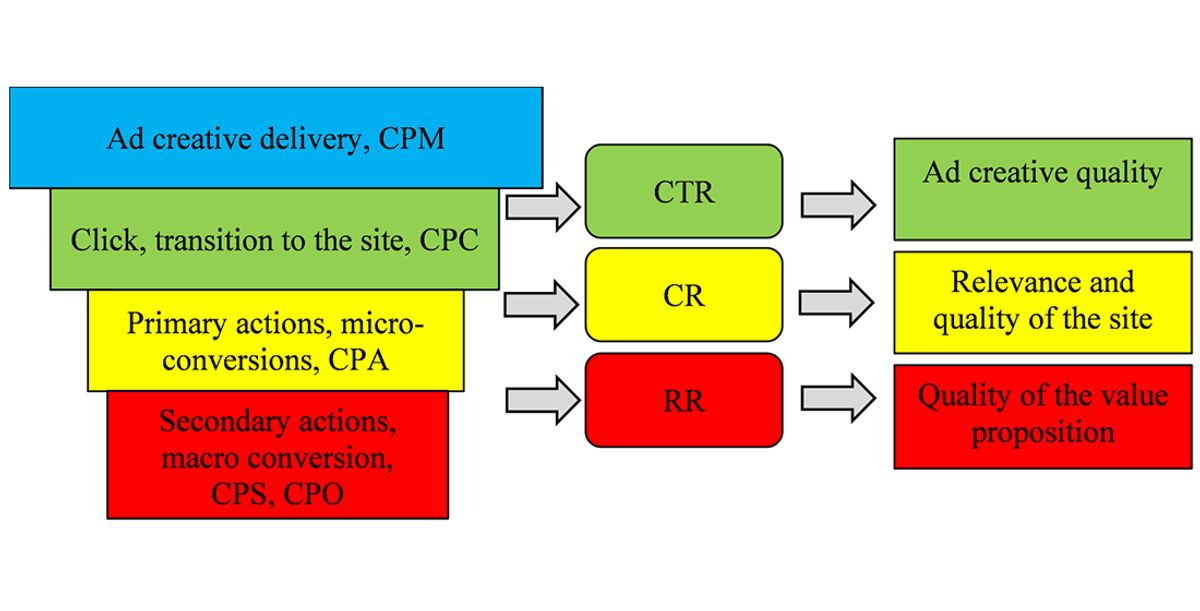
The path that consumers take from recognizing a need to making a purchase is complex and multifaceted. Ecommerce businesses must map out this journey to effectively guide potential customers towards a sale. The first step is to delve into the psyche of the target audience, constructing detailed buyer personas that reflect their preferences, behaviors, and decision-making processes.
To truly grasp the online buyer’s journey, one must consider the various touchpoints where consumers interact with the brand. These can range from social media encounters to email marketing campaigns. By analyzing these interactions, companies can identify critical moments that influence purchasing decisions.
The ultimate goal is to create a seamless and personalized experience that resonates with the consumer at every stage of their journey.
Understanding the journey allows for the optimization of marketing strategies, ensuring that the right message reaches the right person at the right time. This strategic approach not only enhances the customer experience but also drives online sales more effectively.

Utilizing Data Analytics for Personalized Marketing
In the realm of ecommerce and digital marketing, data analytics serve as the compass guiding marketers towards more personalized and effective campaigns. By analyzing customer data, businesses can tailor their marketing efforts to individual preferences and behaviors, significantly increasing the likelihood of conversion. The strategic use of email for marketing, for example, allows for the delivery of targeted messages that resonate with the recipient’s interests and needs.
Email for marketing is not just about sending out promotions; it’s about creating a dialogue with customers. This approach can lead to higher engagement rates and, ultimately, a more loyal customer base. To illustrate, consider the following points:
- Understanding customer purchase history to send relevant product recommendations.
- Analyzing click-through rates to refine email campaign content.
- Segmenting email lists based on customer demographics or past behavior.
By leveraging the insights gained from data analytics, marketers can craft personalized email campaigns that are not only more appealing to the consumer but also more cost-effective in the long run.
Segmentation and Targeting in the Digital Space
In the vast expanse of the digital marketplace, the ability to segment and target specific audiences is paramount. Through segmentation, businesses can identify niches with specific needs, tailoring their offerings to meet the unique demands of different customer groups. This approach not only enhances the relevance of marketing messages but also improves the efficiency of advertising spend.
Effective targeting in the digital space relies on a deep understanding of consumer demographics, behaviors, and preferences. By leveraging analytics, companies can pinpoint the most lucrative segments to focus their marketing efforts on. For instance, a brand may discover that their eco-friendly products resonate more with millennials, prompting a targeted campaign on platforms where this demographic is most active.
The segmentation, targeting, positioning (STP) marketing model is a cornerstone of digital marketing strategy. It ensures that the marketing message is crafted and delivered to resonate with the intended audience.
To illustrate the power of segmentation and targeting, consider the following table which outlines a simplified approach:
| Market Segment | Targeting Criteria | Marketing Approach |
|---|---|---|
| Millennials | Eco-consciousness | Social Media Campaigns |
| Baby Boomers | Health and Wellness | Email Marketing |
| Gen Z | Tech-savviness | Influencer Collaborations |
By aligning marketing strategies with the preferences and behaviors of each segment, companies can create more impactful campaigns that drive online sales.
Optimizing Digital Storefronts for Enhanced User Experience

The Role of Website Design in Ecommerce Conversion
The interface of an ecommerce platform often serves as the first point of contact between a business and its potential customers. A well-designed website can significantly influence a visitor’s decision to stay and explore or to leave and seek alternatives. The visual appeal, ease of navigation, and overall user experience are critical in converting visitors into buyers.
Effective website design goes beyond aesthetics; it encompasses functionality and user-friendliness. For instance, a clear call-to-action (CTA) button is essential for guiding users towards making a purchase. Similarly, a streamlined checkout process can reduce cart abandonment rates. Ecommerce businesses must prioritize these design elements to optimize conversion rates.
A study titled ’11 Web Design Principles That Can Boost Your Conversion Rate’ reveals that the average conversion rate for ecommerce companies is 2.86%. This statistic underscores the importance of leveraging web design for conversion rate optimization (CRO).
To further illustrate the impact of website design on ecommerce success, consider the following points:
- Consistent branding across all pages enhances trust and recognition.
- Responsive design ensures accessibility across all devices, a must in today’s mobile-centric world.
- High-quality images and videos can showcase products effectively, encouraging purchases.
Mobile Optimization: A Necessity for Modern ecommerce and digital marketing
In today’s digital marketplace, mobile optimization is not just a luxury; it’s a critical component of any successful ecommerce strategy. With the majority of online traffic now coming from mobile devices, businesses must ensure that their digital storefronts are fully optimized for a frictionless experience. This means creating responsive designs that adapt seamlessly to various screen sizes, simplifying navigation, and streamlining the checkout process to prevent cart abandonment.
- Responsive design implementation
- Simplified navigation structures
- Accelerated mobile pages (AMP)
- Touch-friendly interfaces
- Streamlined checkout processes
Mobile optimization directly influences customer satisfaction and retention. A mobile-friendly website is more likely to engage users, leading to increased time on site and higher conversion rates.
The importance of mobile optimization extends beyond the user experience; it also affects search engine rankings. Google has made it clear that mobile-friendliness is a ranking factor, which means that mobile-optimized sites are more likely to appear at the top of search results, driving organic traffic and potential sales.
Improving Site Performance and Loading Times
In the fast-paced world of online shopping, site performance and loading times are critical factors that can make or break an ecommerce business. Customers expect quick and seamless experiences, and even a one-second delay can lead to significant drops in customer satisfaction and conversion rates. To maintain a competitive edge, businesses must prioritize website optimization.
Speed is not just a convenience but a vital aspect of user experience. A streamlined site that loads efficiently enhances customer trust and encourages repeat visits. Here are some key strategies to improve site performance:
- Compressing images and videos to reduce file sizes without compromising quality.
- Minimizing the use of heavy scripts and plugins that can slow down page loading.
- Implementing browser caching to allow repeat visitors to load pages faster.
- Utilizing content delivery networks (CDNs) to distribute the load and speed up content delivery.
Ensuring that your website is optimized for speed is an ongoing process that involves regular monitoring and updates. Staying abreast of the latest web technologies and performance metrics can help maintain an optimal online presence.
By focusing on these areas, businesses can significantly improve their site’s performance, leading to better user engagement and increased sales. The impact of these improvements is often reflected in the metrics that matter most to ecommerce success: bounce rates, time on site, and ultimately, conversion rates.
The Synergy of SEO and Content Marketing in Ecommerce and digital marketing

Crafting Content that Ranks and Converts
In the realm of ecommerce, content is not just king; it’s the strategic ace that can elevate a brand’s online presence. Creating content that resonates with the audience and adheres to search engine algorithms is a delicate balance. The goal is to craft articles, product descriptions, and other forms of content that are both informative and engaging, encouraging visitors to stay longer and, ultimately, make a purchase.
To achieve this, ecommerce businesses must define their strategy and understand their audience. This involves selecting the right content format—be it blog posts, videos, or infographics—and ensuring that each piece includes clear calls to action (CTAs). Content should offer trust and value, positioning the brand as a reliable source of information and products. Moreover, creating a sense of urgency can prompt quicker decision-making from potential customers.
By focusing on the user experience and the value proposition, ecommerce sites can significantly increase their conversion rates.
It’s essential to remember that content must be optimized for search engines to reach its intended audience. This means integrating relevant keywords, maintaining a logical structure, and providing answers to the questions that consumers are asking. When these elements come together, they not only boost the site’s visibility but also its sales potential.
Integrating SEO Best Practices into Ecommerce Platforms
In the realm of ecommerce and digital marketing, the integration of SEO best practices into ecommerce platforms is a critical step towards ensuring that online stores are visible to potential customers. Search engine optimization is not just about keywords; it’s about the overall user experience.
To rank higher in search engine results, ecommerce platforms must be meticulously structured. This involves optimizing site architecture, enhancing meta tags, and ensuring that all content is both relevant and authoritative. A well-optimized website not only attracts more traffic but also provides a seamless shopping experience that can lead to increased sales.
- Site Architecture: Logical and intuitive navigation
- Meta Tags: Title tags, meta descriptions, and header tags optimized for search engines
- Content Quality: High-quality, relevant, and regularly updated content
By focusing on these core aspects, businesses can create a robust foundation for their online presence, which is essential in today’s competitive digital marketplace.
Furthermore, the adoption of structured data and schema markup can significantly boost an ecommerce site’s visibility in search results. These technical elements help search engines understand the content of a website, enabling enhanced search listings that can improve click-through rates.
Leveraging Blogging and Product Descriptions for Organic Traffic
In the realm of ecommerce, content is king. A well-crafted blog post or product description can serve as a magnet for organic traffic, drawing in consumers through compelling storytelling and valuable information. These elements not only inform potential customers but also play a crucial role in search engine optimization (SEO).
To maximize the impact of blogging and product descriptions, it’s essential to focus on keywords that resonate with the target audience. This involves a strategic approach to keyword research, ensuring that the content aligns with the terms and phrases that consumers are actively searching for. By optimizing for these keywords, ecommerce sites can improve their visibility for long-tail search terms, which are often associated with lower competition and higher commercial intent.
- Conduct thorough keyword research
- Write engaging and informative content
- Optimize for long-tail keywords
- Use internal linking to boost SEO
Optimized product pages enhance the user experience and rank better for long-tail search terms, which typically have lower competition and high commercial intent.
By integrating these practices into their digital marketing strategy, online retailers can create a powerful synergy between their content and SEO efforts, leading to increased traffic and, ultimately, sales.
Harnessing the Power of Social Media to Boost Online Sales

Creating Shareable Content for Social Engagement
In the realm of social media, content is king, but not all content is created equal. The goal is to craft posts that not only resonate with your audience but also encourage sharing, amplifying your brand’s reach. To achieve this, businesses must understand the types of content that drive engagement and are most likely to be shared.
Shareable content often has a few common characteristics: it’s relatable, valuable, and sometimes, evokes a strong emotional response. Whether it’s an informative infographic, a heartwarming story, or a humorous meme, the content should strike a chord with the audience. Here’s a simple list to guide the creation of engaging content:
- Relatability: Content that reflects the audience’s interests, beliefs, or experiences.
- Value: Posts that offer something useful, like tips, how-tos, or industry insights.
- Emotion: Content that elicits emotions such as happiness, surprise, or even outrage.
- Visual Appeal: A mix of photos, videos, and graphics to catch the eye.
By diversifying the types of content and presenting it in an aesthetically pleasing manner, businesses can increase the likelihood of their content being shared. This, in turn, can lead to greater online visibility and potentially, more sales.
It’s essential to remember that social media is a dynamic platform. What works today might not work tomorrow, so staying abreast of trends and continuously experimenting with different content formats is crucial for sustained success.
Influencer Partnerships and Social Proof
In the realm of digital marketing, the collaboration between brands and influencers has proven to be a potent tool for amplifying online presence and credibility. Influencers, with their dedicated followers, can significantly sway consumer decisions, often leading to a tangible uptick in sales. A marketing agency for saas understands the intricacies of these partnerships and how to leverage them for maximum impact.
The authenticity of an influencer’s endorsement acts as social proof, reinforcing the brand’s value proposition in the eyes of potential customers.
By aligning with influencers whose audience matches their target demographic, brands can achieve a more organic and effective reach. The synergy between a brand’s message and the influencer’s personal brand is crucial for the success of the campaign. Here’s a simple breakdown of the benefits:
- Enhanced brand awareness and reach
- Increased trust and credibility through association
- Higher engagement rates and potential for conversions
Understanding the impact of these partnerships is essential for any ecommerce strategy aiming to capitalize on social dynamics.
Social Commerce: Blending Content and Shopping
The advent of social commerce has revolutionized the way consumers interact with brands online. Integrating shopping experiences directly within social media platforms allows for a seamless transition from browsing to purchasing. This synergy not only simplifies the buying process but also capitalizes on the social aspect of shopping, turning recommendations and shares into potential sales.
Businesses are now focusing on creating content that is not just engaging but also shoppable. Features like shoppable posts and tags make it easier for users to click and buy without ever leaving the social media environment. This approach reduces friction in the buying process and can lead to higher conversion rates.
- Develop shoppable content with embedded product tags
- Utilize in-app checkout features to streamline purchases
- Engage with users through live shopping events
- Monitor social media analytics to refine strategies
The key to success in social commerce lies in the ability to blend content creation with shopping opportunities in a way that feels natural and unobtrusive to the user experience.
By leveraging the power of social media influencers and user-generated content, brands can enhance trust and authenticity. The endorsement of a product by a trusted influencer can act as a powerful motivator for their followers to make a purchase, effectively turning social proof into sales.
Measuring Success: Analytics and KPIs for Ecommerce Campaigns

Defining and Tracking the Right Metrics
In the realm of ecommerce, the ability to define and track the right metrics is crucial for understanding and driving growth. Metrics serve as the compass that guides digital marketing strategies, ensuring that every decision is data-driven and aligned with business objectives. Among the plethora of available metrics, certain key indicators stand out for their ability to provide actionable insights.
Website Traffic and Conversion Rate are fundamental metrics that reveal the health of an ecommerce platform. Average Order Value (AOV) and Customer Lifetime Value (CLV) offer deeper understanding into customer spending behaviors, while Bounce Rate and Cart Abandonment rates highlight potential issues in the user experience that may need addressing.
By focusing on these metrics, businesses can pinpoint areas of success and opportunities for improvement, shaping their strategies to better meet the needs of their audience.
To effectively track these metrics, businesses often employ a variety of tools and platforms, each offering different lenses through which to view performance data. It is essential to select the right tools that align with the company’s specific goals and integrate seamlessly with existing systems.
The Importance of A/B Testing in Campaign Optimization
In the realm of digital marketing, A/B testing stands as a critical tool for enhancing campaign performance. By comparing two versions of a campaign element, marketers can discern which variation resonates more effectively with their audience. This methodical approach leads to data-driven decisions that can significantly improve conversion rates and overall campaign success.
A/B testing, or split testing, involves presenting two variants of a web page, email, or advertisement to different segments of users at the same time. The variant that achieves better performance metrics is then used for the wider audience. For instance, an ecommerce site may test two different call-to-action (CTA) buttons to see which one leads to more conversions.
The key to successful A/B testing is in its simplicity and direct feedback loop. It allows marketers to eliminate guesswork and optimize their strategies with precision.
To effectively implement A/B testing, one must follow a structured process. Here’s a concise list of steps to guide marketers:
- Define the objective of the test
- Select the variable to test
- Create a ‘control’ and a ‘test’ variant
- Split your audience randomly
- Run the test simultaneously
- Collect and analyze the data
- Choose the winning variant
- Implement the successful element
- Monitor the results and iterate
This process ensures that every change, no matter how small, is contributing to a better user experience and, ultimately, to higher sales.
ROI Analysis for Digital Marketing Investments
In the realm of digital marketing, the calculation of Return on Investment (ROI) stands as a critical barometer for the success of online campaigns. Businesses must scrutinize the efficacy of each dollar spent to ensure that their digital marketing efforts are not only resonating with their audience but also contributing to the bottom line.
To accurately gauge ROI, companies should consider a variety of factors, including customer acquisition costs, conversion rates, and average order value. A structured approach to ROI analysis can be encapsulated in the following steps:
- Identify the total cost of the campaign.
- Track the revenue generated directly from the campaign.
- Calculate the net profit by subtracting the campaign cost from the revenue.
- Determine the ROI percentage by dividing the net profit by the campaign cost and multiplying by 100.
By consistently applying these steps, organizations can develop a clear picture of which strategies yield the best returns and adjust their marketing investments accordingly.
It is essential for marketers to remember that ROI is not just a one-time calculation but a continuous process that requires regular monitoring and adjustment. This ongoing analysis helps in making informed decisions that can significantly enhance the effectiveness of future campaigns.
Conclusion
In the dynamic landscape of ecommerce, digital marketing stands as a pivotal force in propelling online sales to new heights. Through strategic campaigns that leverage the power of SEO, social media, email marketing, and data analytics, businesses can craft personalized experiences that resonate with their target audience. The synergy between innovative technology and creative marketing strategies has the potential to not only attract customers but also foster loyalty and repeat business. As we look to the future, the integration of emerging trends and continuous optimization will be key in maintaining a competitive edge in the bustling digital marketplace. Ultimately, the brands that succeed will be those that understand the importance of adapting to the ever-evolving digital consumer behavior and harnessing the full spectrum of digital marketing tools at their disposal.
2 thoughts on “Ecommerce and Digital Marketing: Driving Online Sales Through Strategic Campaigns”
Comments are closed.