Everyone hates Jira Task Manager, but no one stops using it.
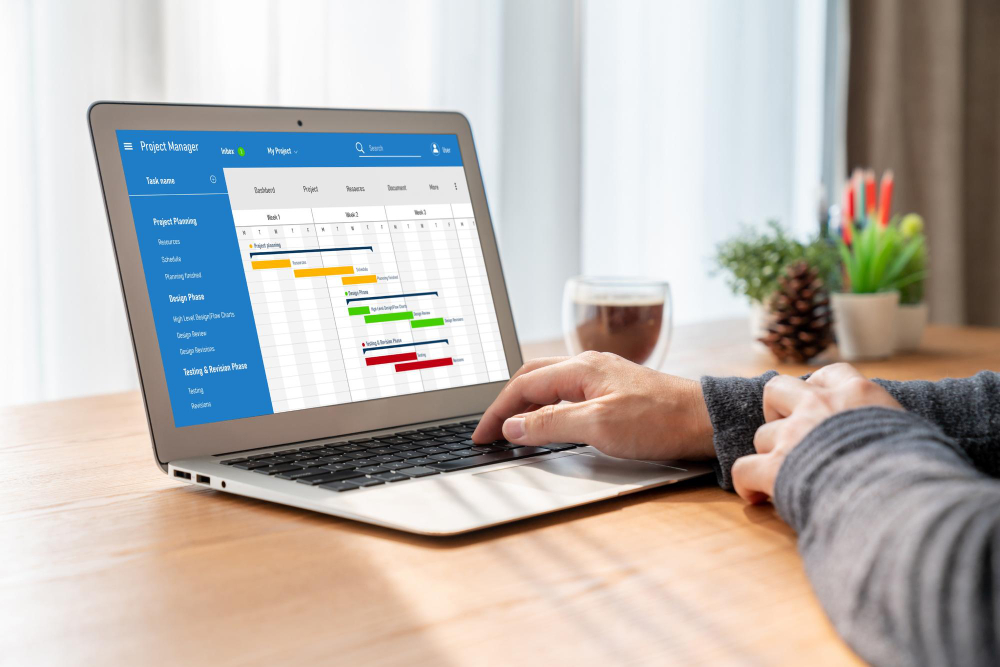
Introduction to Jira Task Manager
In project management software, Jira Task Manager is a familiar name. Developed by Atlassian, this powerhouse tool has become a widely adopted platform across diverse industries. It provides a comprehensive suite of features that facilitate tracking, prioritization, and management of tasks, all contributing to the smooth running of projects.
Despite its broad user base, Jira has stirred a love-hate relationship with many users. While it offers robust functionality, its complexity can be a source of frustration for some users. With its various modules, Jira can be a daunting maze, especially for novices. But the question arises: why is it still widely used despite the gripes?

As it turns out, the answer isn’t as straightforward as one might think. This article aims to shed light on the reasons behind the widespread use of Jira, common complaints, and alternatives to consider.
Common Complaints About Jira
The Jira Task Manager is far from perfect, and users are not shy about voicing their grievances. One of the most frequent complaints is its steep learning curve. Jira is packed with features, but understanding how to leverage them effectively can feel like learning a new language. Many users are overwhelmed by the sheer volume of options available, making the software feel unnecessarily complicated.
Additionally, Jira has been criticized for its lack of user-friendliness. The user interface is often described as clunky and unintuitive, leading to frustration and wasted time. Navigating the system can feel like a chore, and locating specific functions or tools can sometimes feel like a treasure hunt.

Moreover, Jira can be expensive. Depending on the size of the team and the chosen plan, costs can quickly escalate, making it a significant investment for small businesses or startups.
Managers Are Too Deep in The Sand
Another reason why some people dislike Jira is because it can create a disconnect between managers and their teams. With its intricate tracking and reporting system, managers can get too caught up in micromanaging tasks. This excessive focus on granular details can lead to losing sight of the bigger picture, fostering a culture of over-management.
While useful, Jira’s extensive reporting capabilities can also lead to an excessive emphasis on metrics. Managers may find themselves so buried in data that they lose sight of the human element of their team. This can lead to a disconnection between management and staff, hampering communication and team cohesion.
Furthermore, Jira’s complexity can create an unnecessary barrier for team members eager to complete their tasks efficiently. Rather than facilitating productivity, Jira can sometimes act as a hindrance, introducing additional complexity to the workday.
For instance, at a particular company, a simple task such as updating the text on a website’s footer turned into a protracted ordeal due to the team’s insistence on using Jira for communication. Instead of quickly resolving the issue through a short video call, team members relied solely on the Jira comment board. This communication method proved to be inefficient and time-consuming. Each small decision or clarification required a new comment or update in Jira, and waiting for responses led to significant delays. As a result, a task that could have been completed in minutes took an astonishing four weeks to finalize. This example highlights how over-reliance on complex tools like Jira can impede rather than aid the workflow, especially for straightforward tasks that require swift decision-making and communication.
Reasons Why Businesses Still Use Jira
Despite the complaints and criticisms, businesses continue to use Jira, and there are several reasons for this. Firstly, Jira’s comprehensive set of features is unmatched. It offers extensive customization options, allowing businesses to tailor the software to their needs. This flexibility is one of Jira’s major selling points, making it a go-to choice for many organizations.
Secondly, Jira is great for large-scale projects. Its robust task management capabilities make it ideal for managing complex projects with multiple moving parts. It provides a high level of visibility into project progress, making it easier to keep track of tasks and milestones.
Lastly, Jira’s integration capabilities are a significant draw for businesses. It integrates seamlessly with many other tools, including Confluence, Bitbucket, and Slack. This ability to sync with other platforms means that teams can work more connected and cohesively, enhancing productivity.
Alternatives to Jira Task Manager
While Jira may hold the crown in task management software, it is not the only player in the game. There are several alternatives to consider, each with unique selling points.
Asana, for instance, offers a more intuitive user interface and a more straightforward learning curve, making it an excellent option for teams who value simplicity. Trello, another popular alternative, offers a visually engaging interface, with tasks presented on a board format that many users find more approachable.
Additionally, Tweek is a weekly planner combined with a To-do List App that’s very simple but highly effective to keep track of tasks without losing the bigger picture.
For businesses looking for a more affordable option, Monday.com presents a viable alternative. It offers a range of pricing plans to suit different budgets, making it an attractive choice for startups or small businesses.
Conclusion: Is Jira Really That Bad?
So, is Jira as bad as some make it out to be? The answer largely depends on individual needs and preferences. Jira’s extensive features, customization options, and integration capabilities make it a powerful tool for managing complex, large-scale projects. However, its steep learning curve, complex interface, and potential for over-management can make it a challenging platform to navigate.
It’s important to remember that no tool is one-size-fits-all. What works for one team may not work for ano